
| Historical Range | Forecast Period | Industry |
| 2021 – 2024 | 2025 – 2033 | Consumer Goods |
India Anti-Aging Products Market Overview (2025–2033)
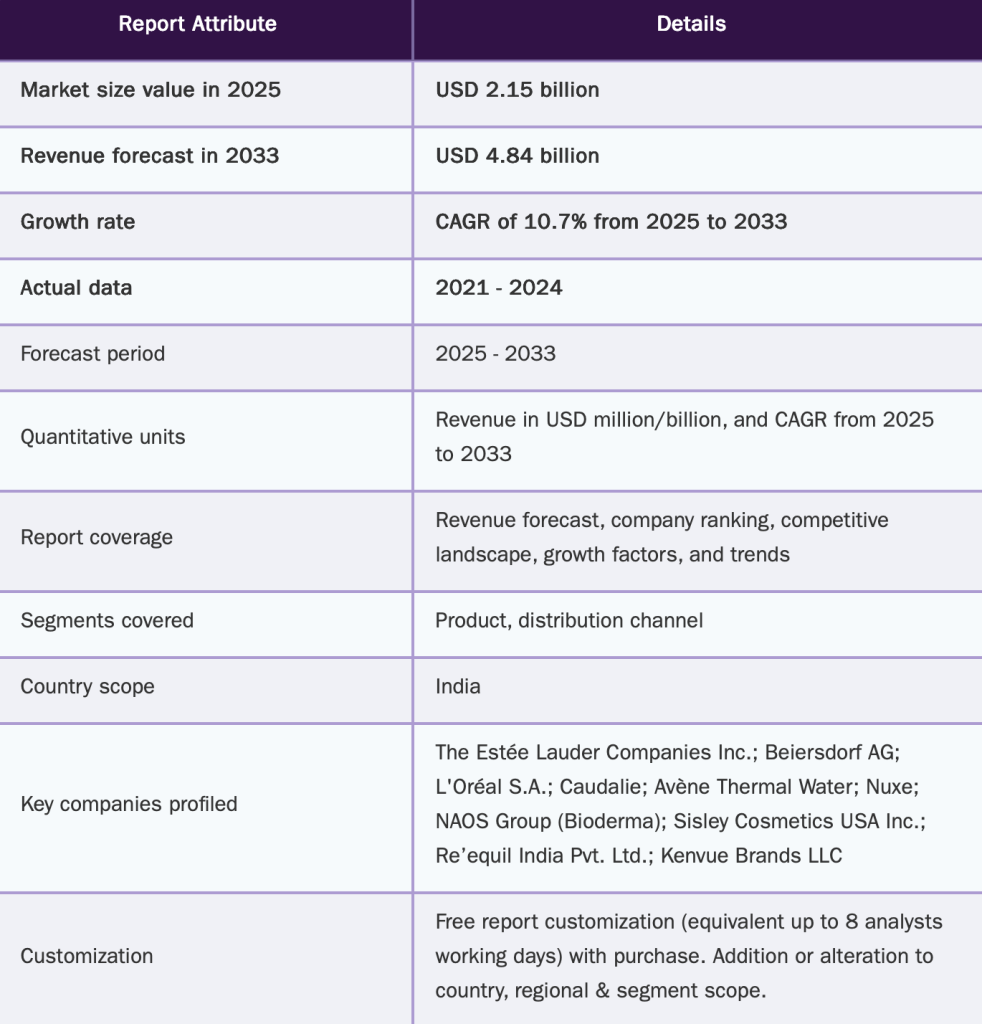
The India anti-aging products market was valued at USD 1.97 billion in 2024 and is projected to reach USD 4.84 billion by 2033, growing at a CAGR of 10.7% from 2025 to 2033. This growth is driven by an expanding aging population, rising life expectancy, and increased awareness of skin health. Exposure to global beauty trends has further accelerated demand for solutions targeting fine lines, pigmentation, and skin firmness.
A cultural shift toward prioritizing personal appearance in both professional and social settings is shaping purchasing behavior. Access to premium skincare products and dermatologist-recommended regimens is expanding across urban and semi-urban India, fueling adoption.
The market is witnessing a clear transition toward clean, science-backed formulations with transparent ingredient lists. Gen Z and digitally native consumers actively seek clinically proven actives such as niacinamide, retinol, peptides, vitamin C, and hyaluronic acid. Brands like O3+ highlight dermatologist-tested performance, while Re’equil uses time-controlled retinol delivery systems to minimize irritation—reflecting consumer demand for both efficacy and safety.
Sustainability and ethics are becoming decisive purchase factors, with cruelty-free, paraben-free, silicone-free, and eco-friendly packaging gaining traction. Millennials and Gen Z favor brands with transparent sourcing and chemical-free formulations, aligning skincare choices with health and environmental values.
Homegrown clean-beauty and DTC brands are challenging established players through digital storytelling and personalized skincare solutions. Tatha Skincare leverages plant stem-cell science for barrier repair, while Kult offers AI-curated selections from over 700 global and local brands. Popular names like Mamaearth, Minimalist, Pilgrim, and Foxtale are redefining consumer expectations with toxin-free, active-rich products and strong online communities.
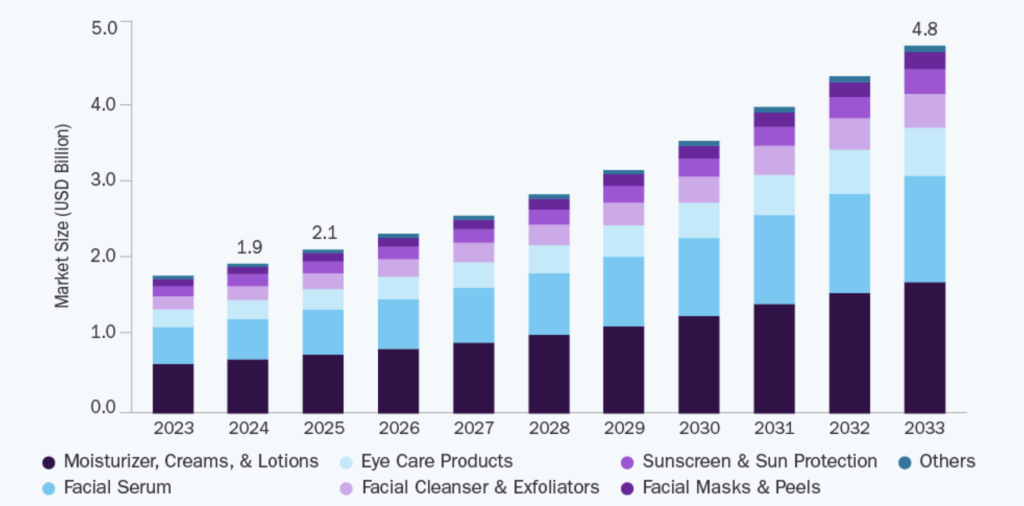
Consumer Insights & Surveys – India Anti-Aging Skincare Market
The Indian anti-aging skincare market is undergoing a significant transformation, with evolving consumer behavior reshaping demand across both male and female segments. While skincare was traditionally viewed as a female-oriented category, recent surveys indicate a marked shift: over 80% of Indian men now report caring about their appearance as much as women, and around 30% are expanding their facial skincare routines—a higher proportion than the 26% recorded among women. This trend is most prominent among men aged 25–34, highlighting growing parity in skincare engagement and a shared focus on prevention, hydration, and skin barrier support.
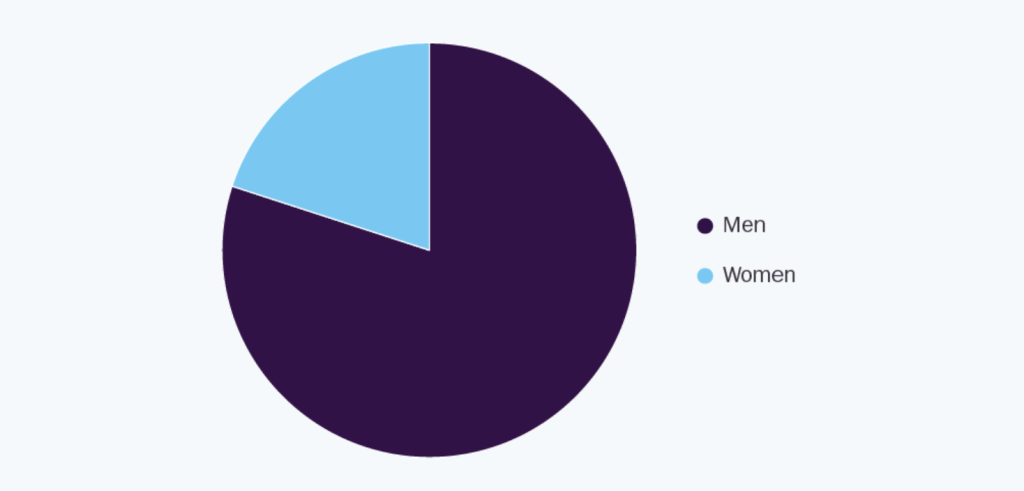
Over the last five years (through mid-2022), one in five beauty launches in India targeted men, the highest proportion in the Asia-Pacific region—surpassing China and Japan. Men’s product lines now span moisturizers, serums, fairness creams, beard softeners, and home spa kits, reflecting increased appetite for both essential and luxury skincare solutions. The Indian male grooming segment is evolving beyond basic cleansers into multi-step regimens that integrate anti-aging benefits.
Leading brands are responding with male-specific anti-aging launches. For example, Inde Wild has expanded its ayurvedic skincare range with serums and moisturizers formulated for men, combining botanical actives with hydration-first technology. Industry experts note a “new era of men’s skincare” characterized by science-backed actives, inclusive marketing, and global trend influences like K-Beauty—with strong adoption across both urban and tier-II/III markets. Men are increasingly open to using serums, exfoliants, and sunscreens tailored to their skin needs.
While many male and female formulations are functionally identical, marketing strategies remain gendered—men’s products often use minimalist packaging, neutral scents, and straightforward messaging, while women’s lines emphasize floral notes and rich ingredient profiles. However, both categories rely on clinically proven anti-aging actives such as vitamin C, retinol, peptides, antioxidants, and SPF, which work effectively across genders.
Frequently Asked Questions About This Report
How big is the India anti-aging products market?
What is the India anti-aging products market growth?
Which segment accounted for the largest India anti-aging products market share?
Who are the key players in India anti-aging products market?
What are the factors driving the India anti-aging products market?
This report addresses:
> Market intelligence to enable effective decision making
> Market estimates and forecasts from 2014 to 2025
> Growth opportunities and trend analyses
> Segment and regional revenue forecasts for market assessment
> Competition strategy and market share analysis & Product innovation listing for you to stay ahead of the curve
> COVID-19’s impact and how to sustain in these fast evolving markets
Stay ahead in the booming India anti-aging skincare market. Contact 360 Business & Marketing Solutions today for tailored market strategies and in-depth reports.
Hire Us
Leave a Reply